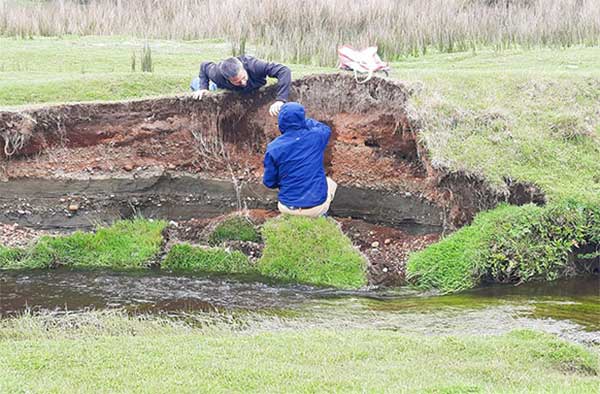
Research resets age of famous South American archaeological site
The people who used Clovis points in North America were not the first inhabitants of the Americas south of the continental ice sheets.

Sea turtle shells reveal hidden records of ocean change
Techniques developed to study the distant past are now being repurposed to better understand the lives of modern sea turtles.
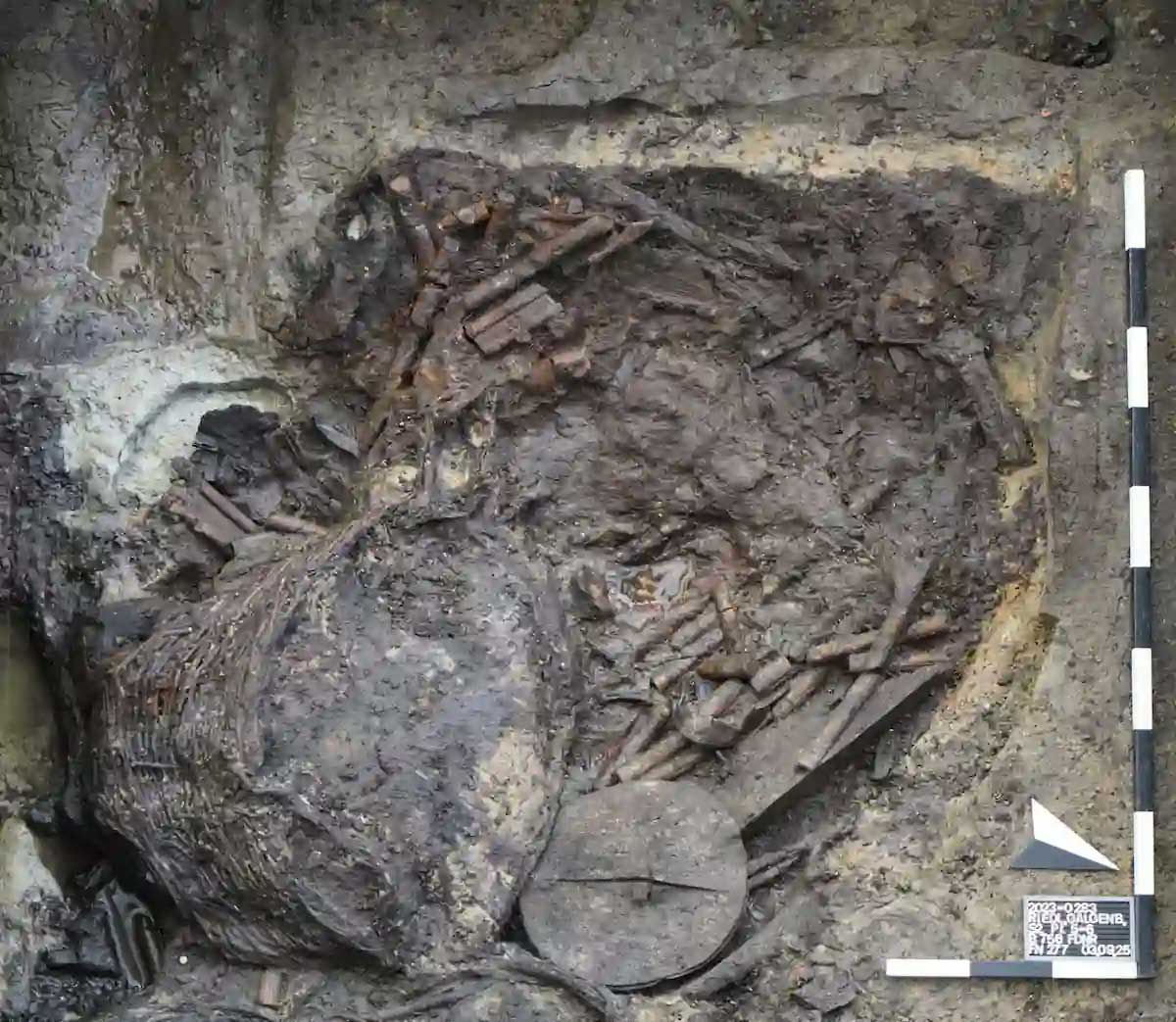
New findings on the Celtic burial chamber in Riedlingen
New analyses of the richly furnished burial chamber provide insights into the burial practices and social structures of the early Celtics.

Research Fellow in Landscape Archaeology
Southampton University is seeking a researcher to join The Politics of Sustainability in Heritage in the Middle East and North Africa project.
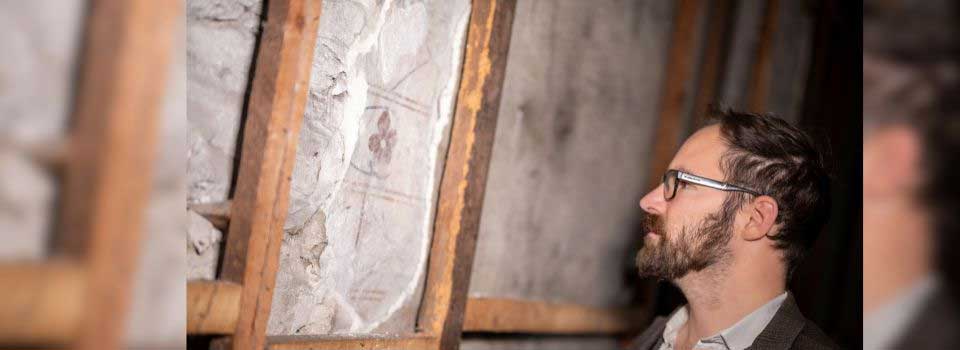
Medieval wall painting clue to Durham Castle’s high-status past
"An incredibly rare survival in such an important castle site and really underscores the power and status of the medieval bishops of Durham".
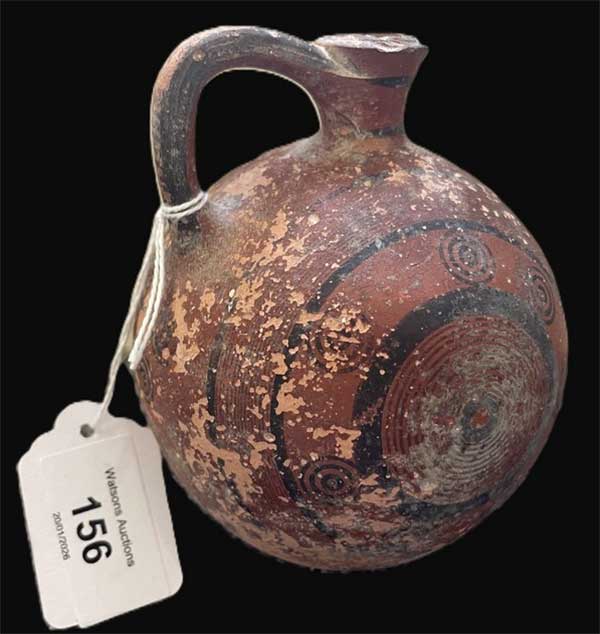
Repatriation οf a Cypriot antiquity from the UK
On 7 March 2026 a Cypriot antiquity was handed over to the High Commission of the Republic of Cyprus in London.
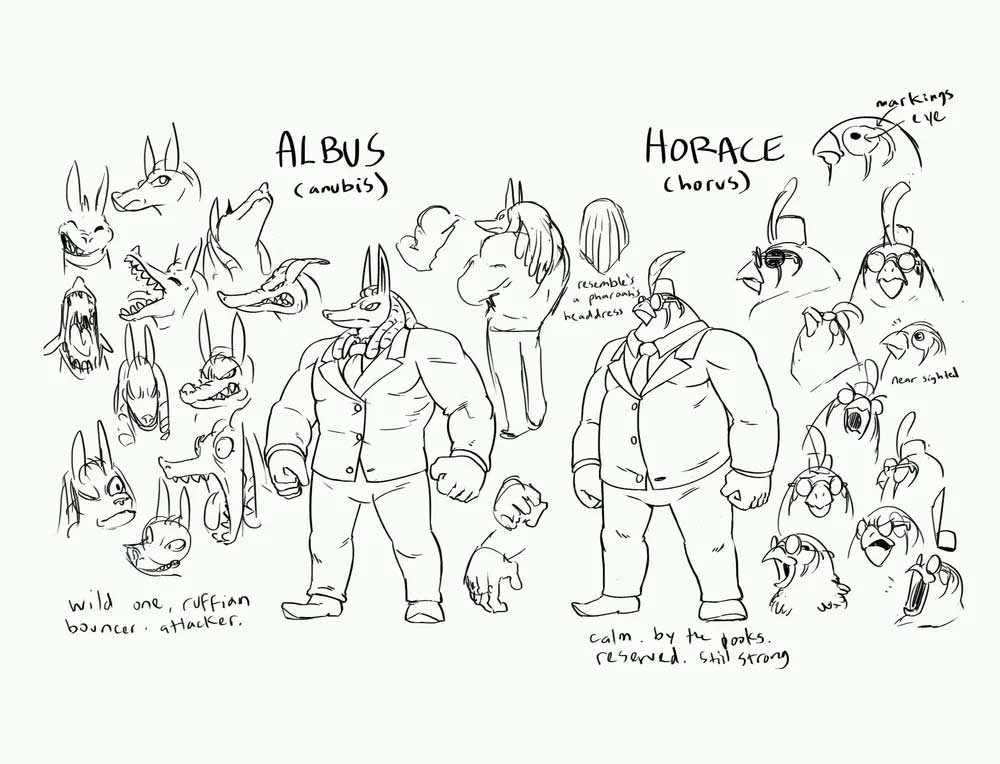
Anubis in Contemporary Popular Culture
Submissions are invited for an online symposium examining the god Anubis in contemporary popular culture.
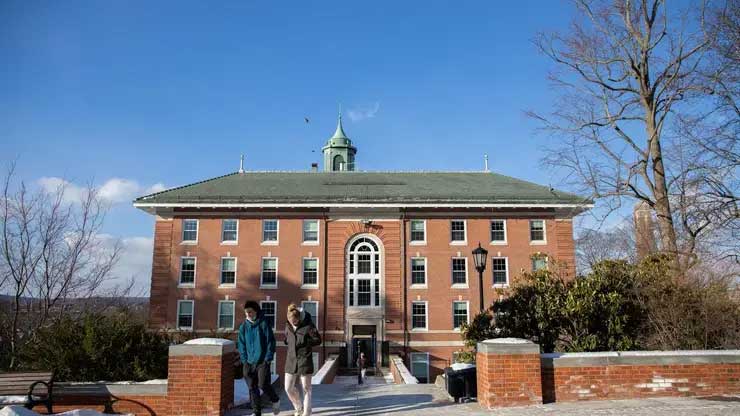
Full-Time Faculty Position at College of the Holy Cross
The Department of Classics at the College of the Holy Cross invites applications for a visiting full-time faculty position for the 2026–2027 academic year.
PHOTOS & VIDEO
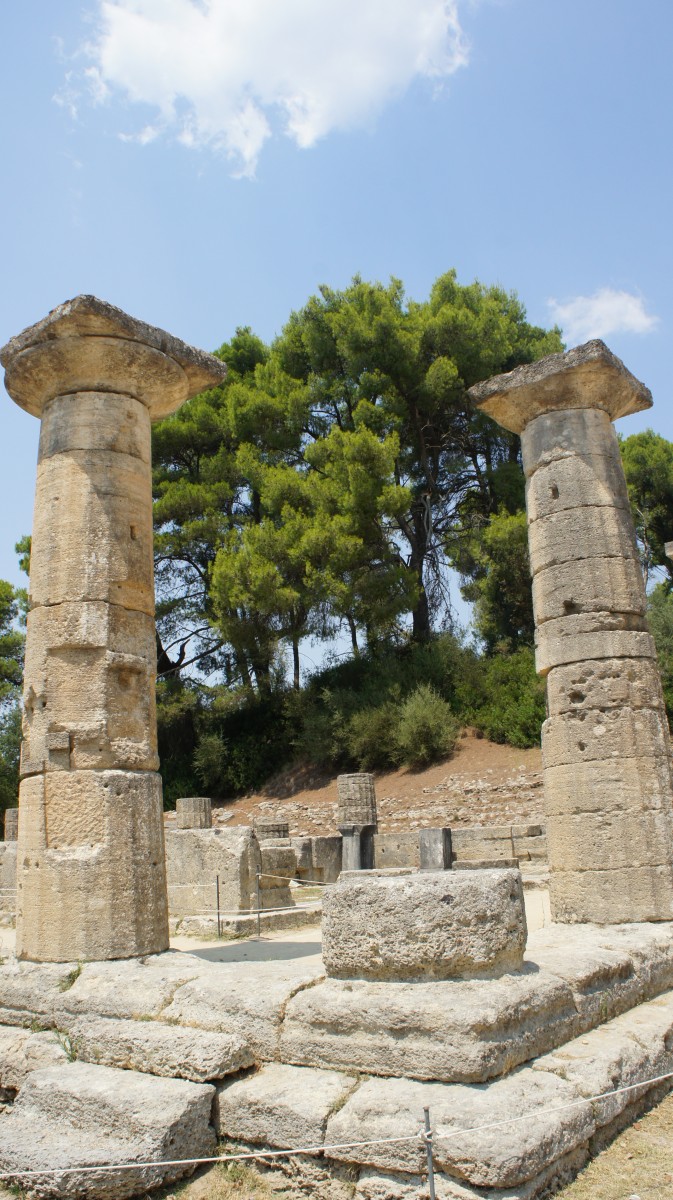
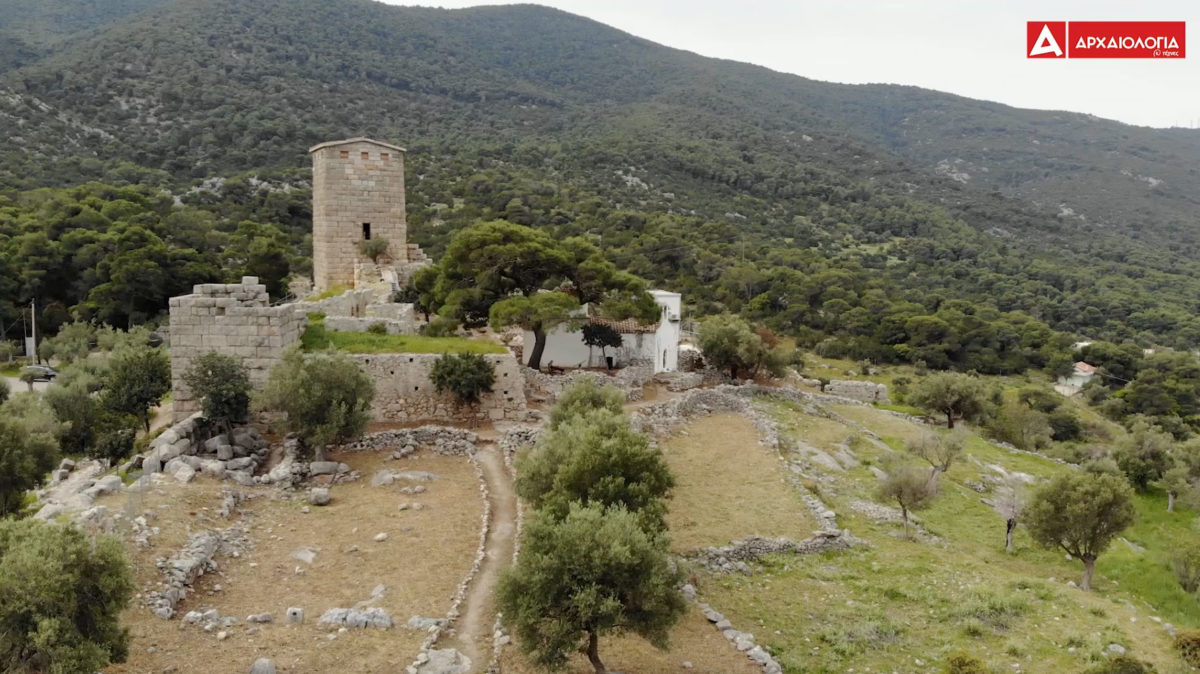
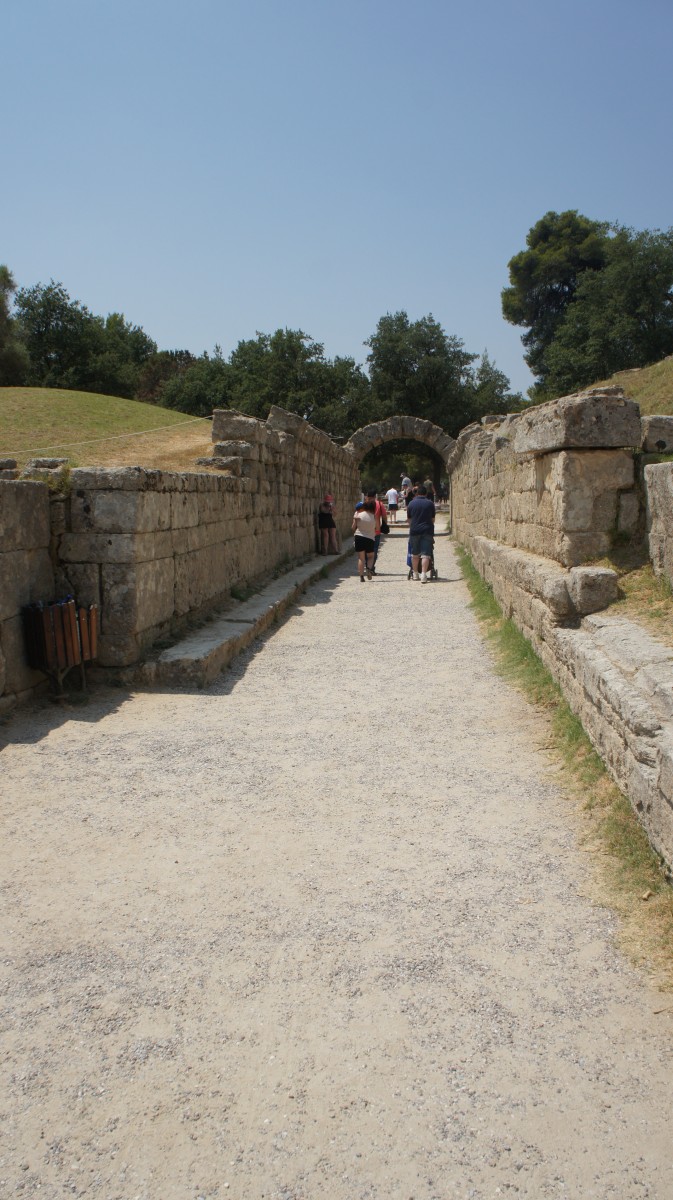
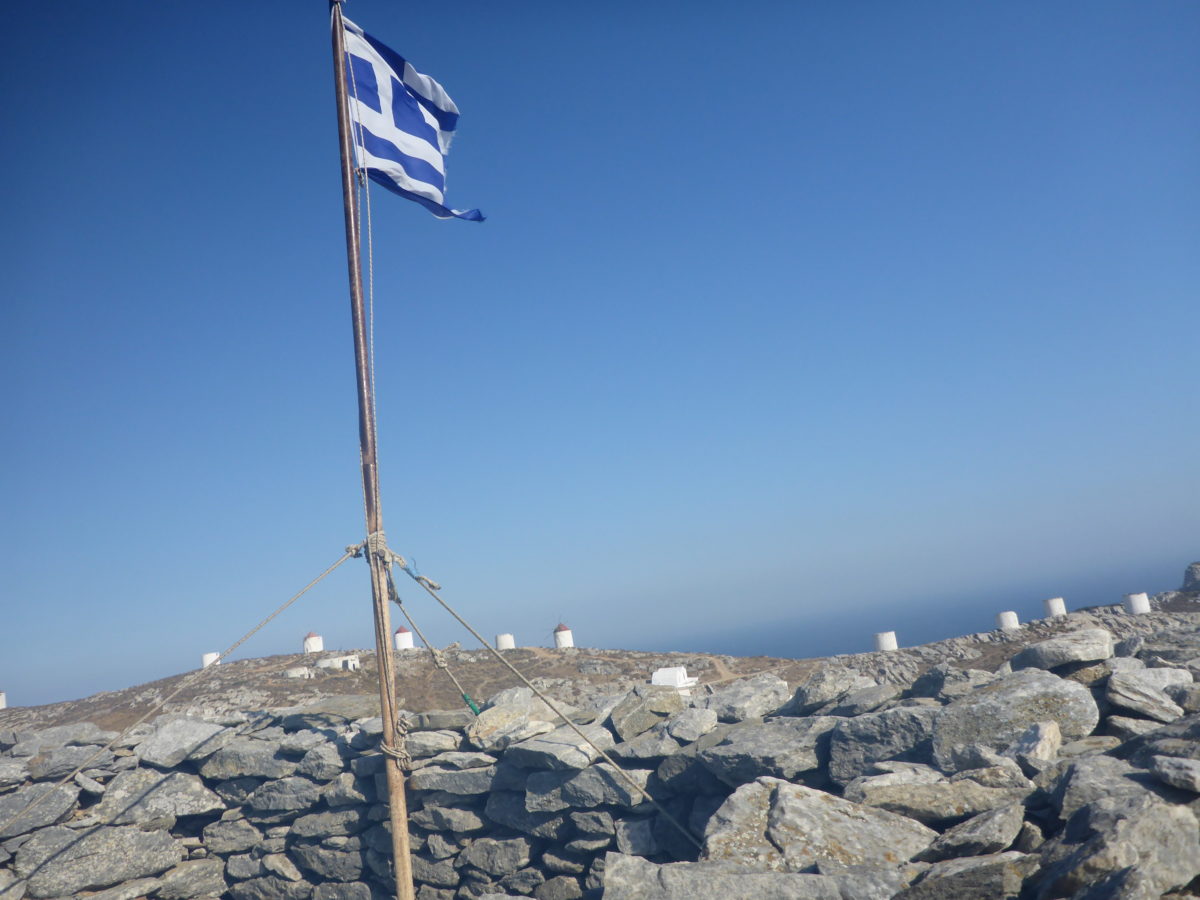
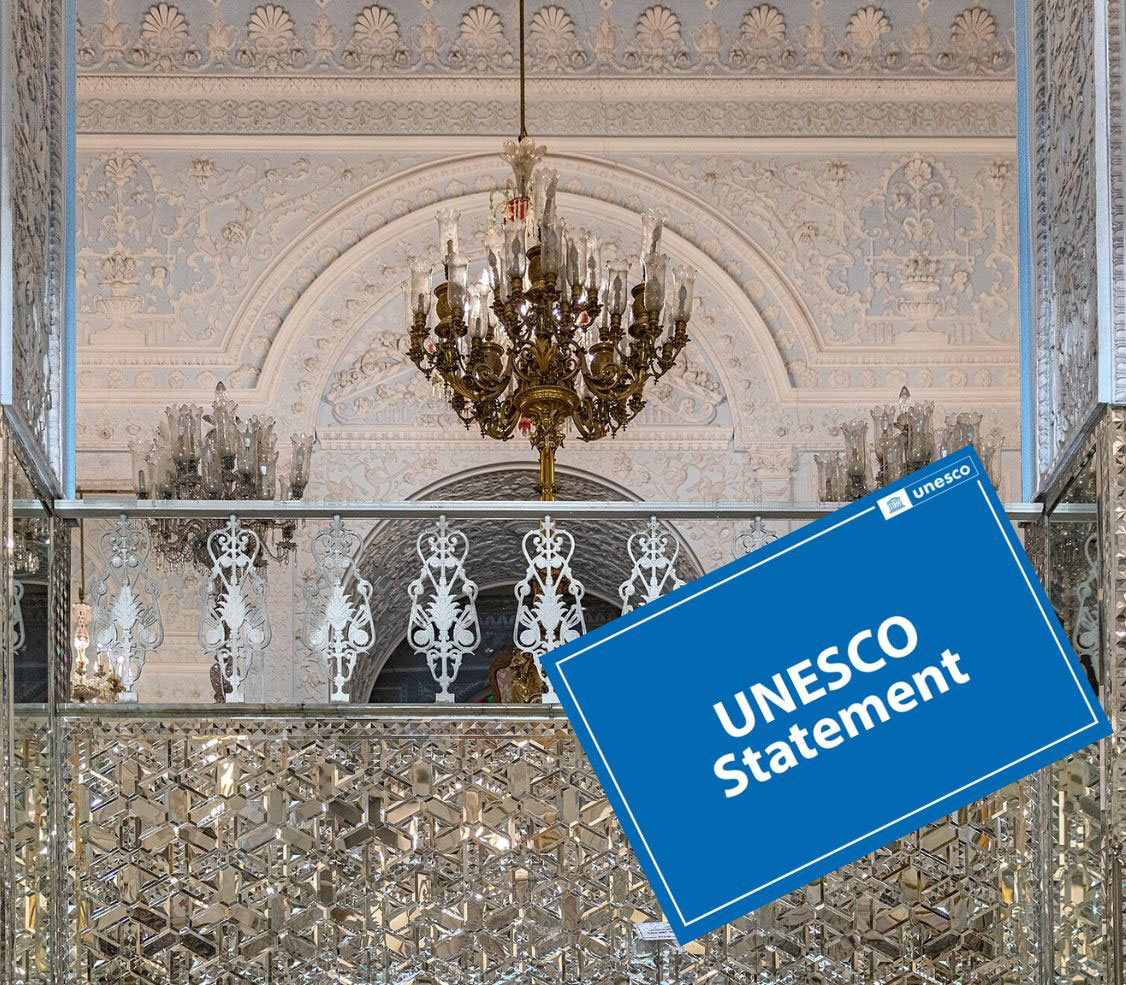
UNESCO “Concerned” over Cultural Heritage Sites In The Middle East
Statement confirms monitoring the situation of cultural heritage in Iran and across the region, with a view to ensuring its protection.
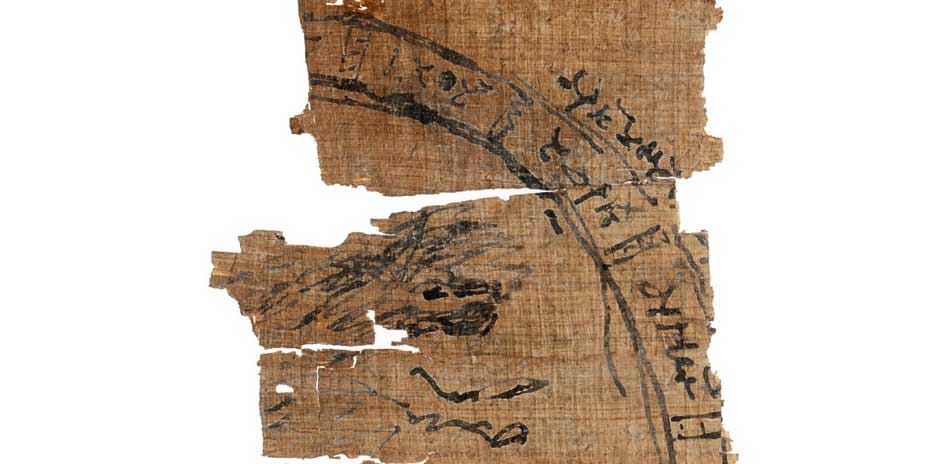
Destiny in the Stars. The Beginnings of the Zodiac
The exhibition is dedicated to the history and the significance of the zodiac from Babylonia to Egypt and the Greco-Roman world.
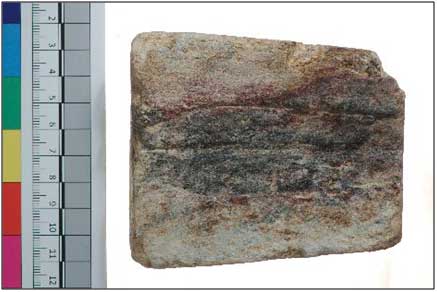
Creativity, identity and centrality at Dhaskalio
The presentation by Dr. Michael Boyd will review the material culture, subsistence base, and architecture of the site.
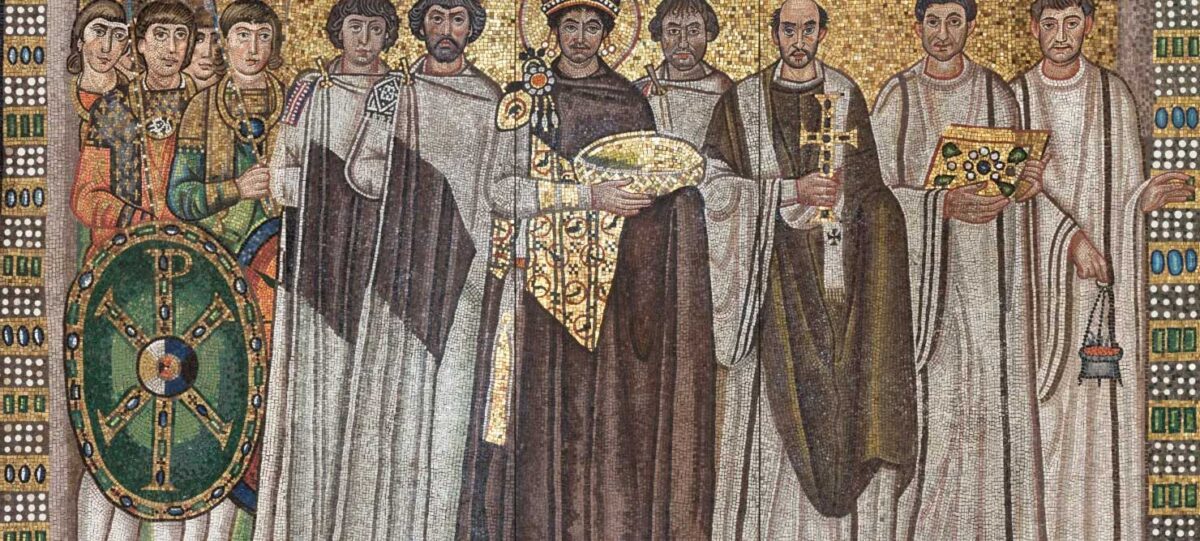
Institutional Identities in Late Antiquity and the Middle Ages
Τhis Friday, 20 March, is the deadline for abstracts for the conference 'Institutional Identities in Late Antiquity and the Middle Ages'.
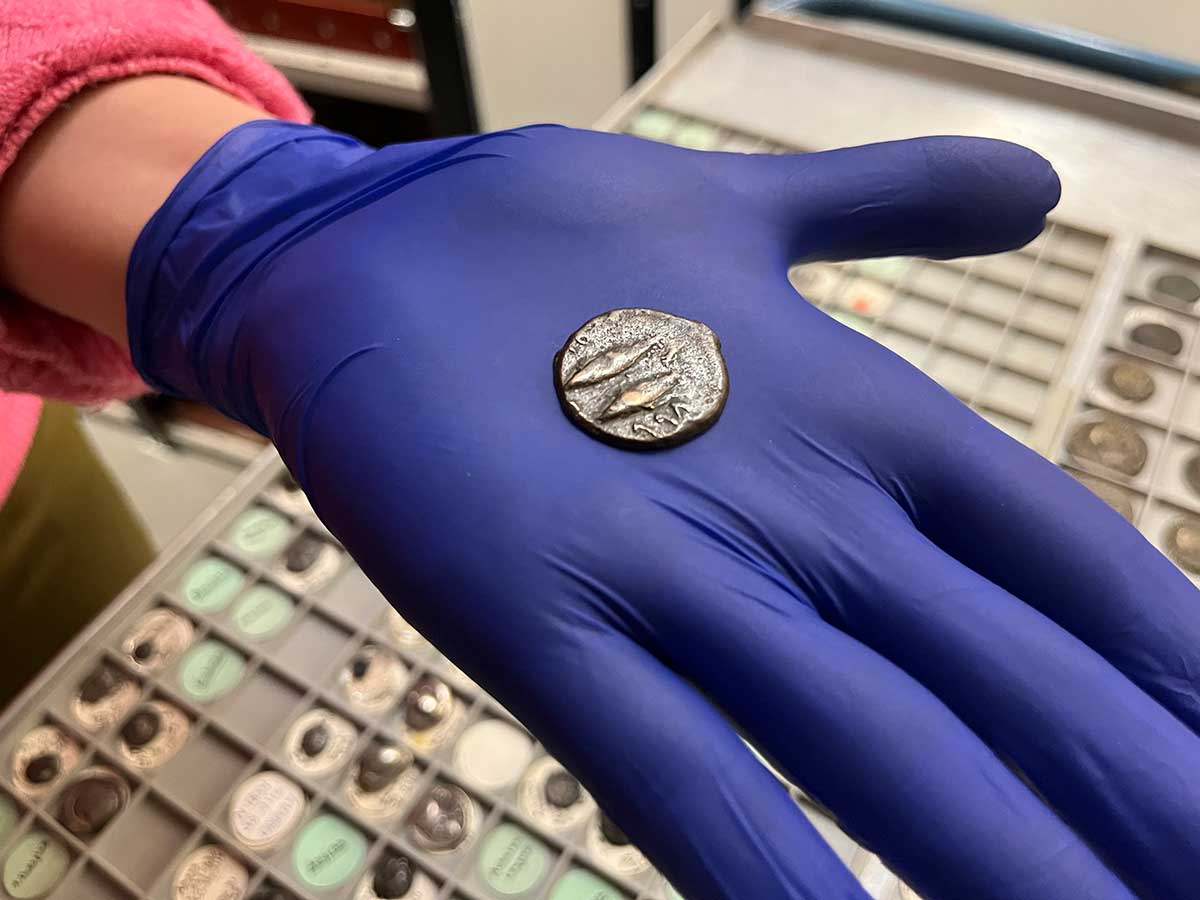
Ancient coin has travelled through time
A mysterious coin once used to pay a bus fare in Leeds was minted by an ancient civilisation more than 2,000 years ago.
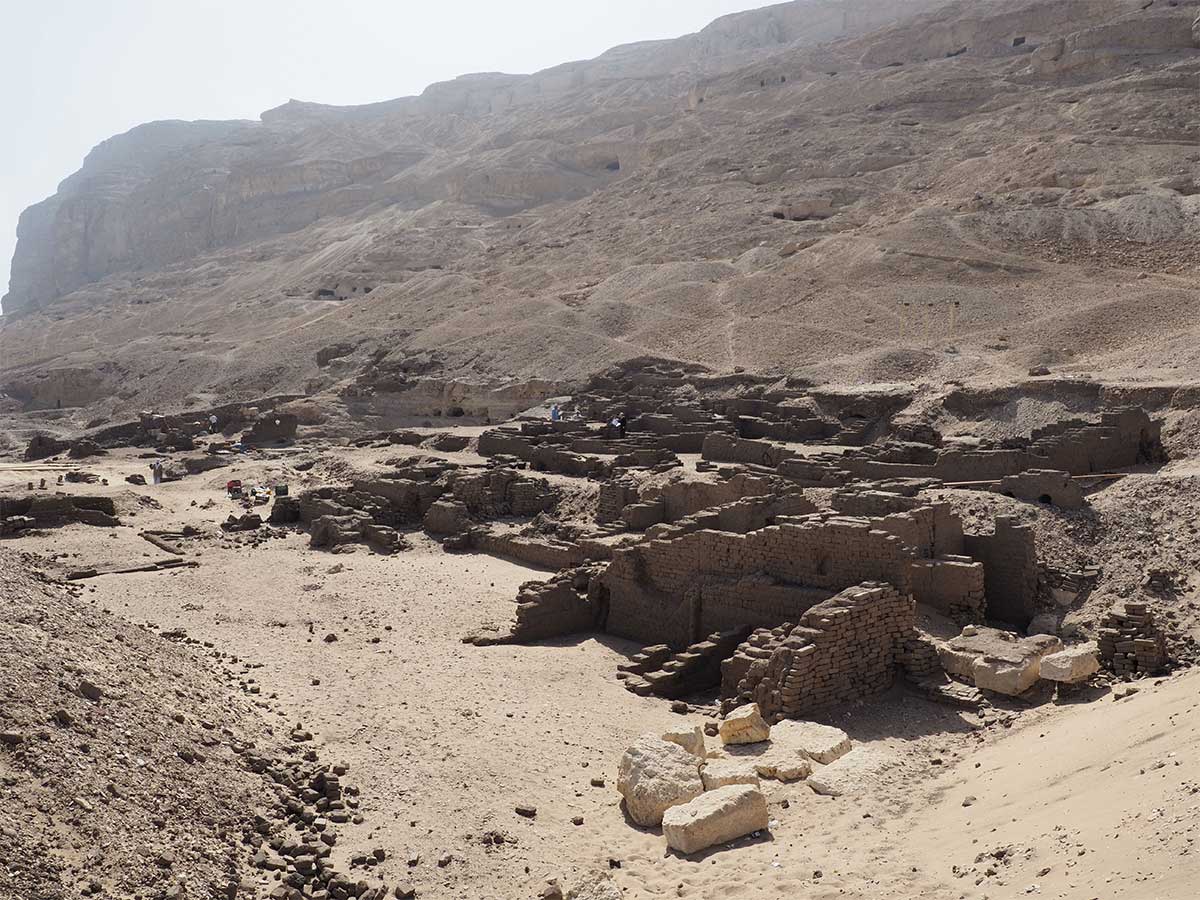
Over 43,000 inscribed pot sherds in Upper Egypt site
A joint archaeological mission has documented the world’s most extensive find of inscribed pottery sherds at the site of Athribis.

Leventis MA Studentships at The Open University
The Department of Classical Studies at The Open University has announced three fully-funded studentships.
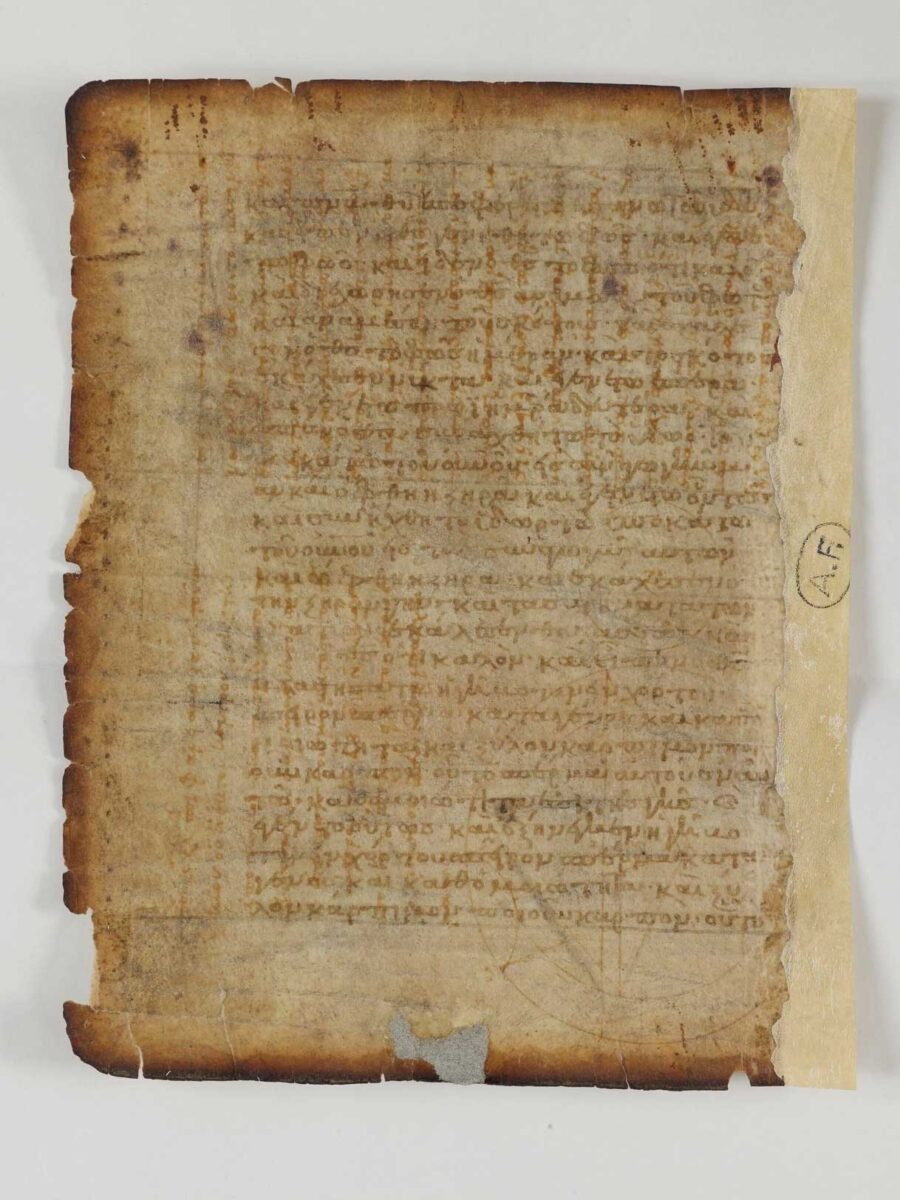
Lost page of the Archimedes Palimpsest identified in Blois
A page long believed to have been lost from the Archimedes Palimpsest has been identified at the Musée des Beaux-Arts in Blois.

Assistant Professor in the History of the Ancient Mediterranean
The University of Warwick is seeking an assistant professor in the History of the Ancient Mediterranean (Ancient Numismatics).
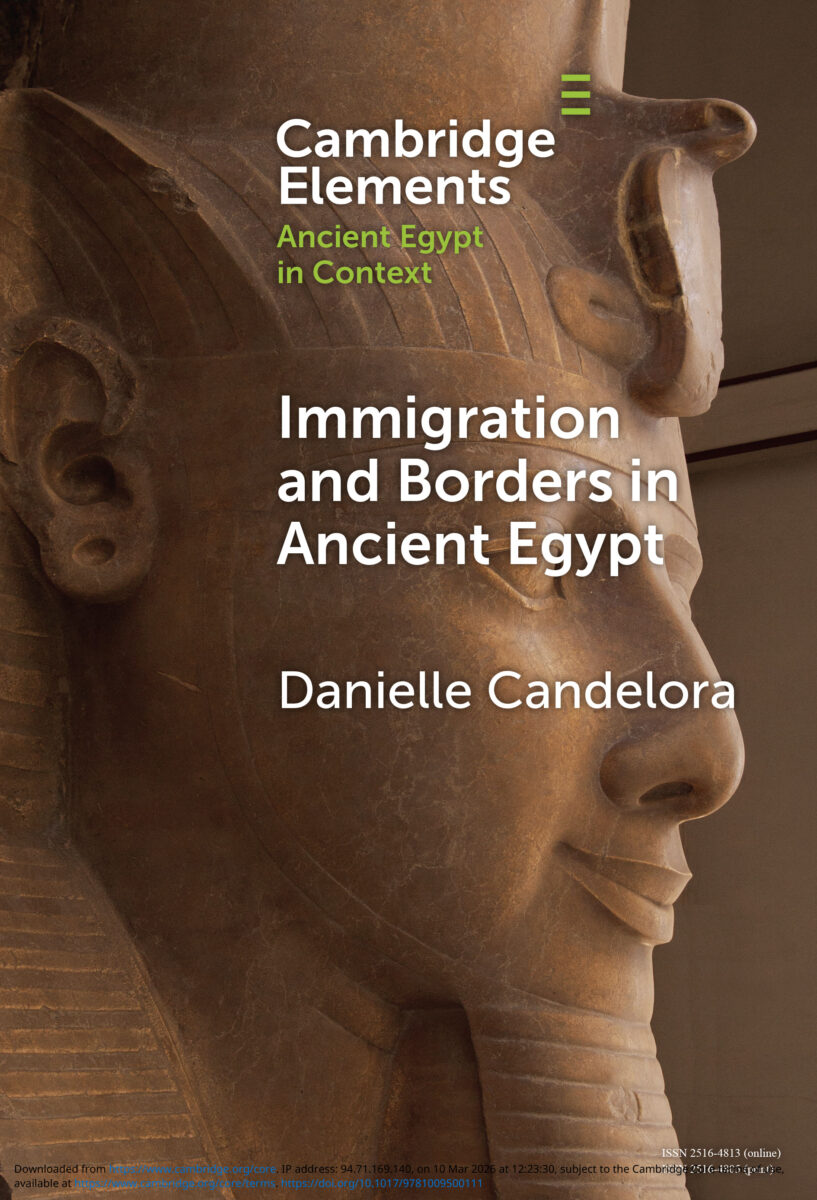
Immigration and Borders in Ancient Egypt
The Element is available for free download from March 6 to March 20, 2026.
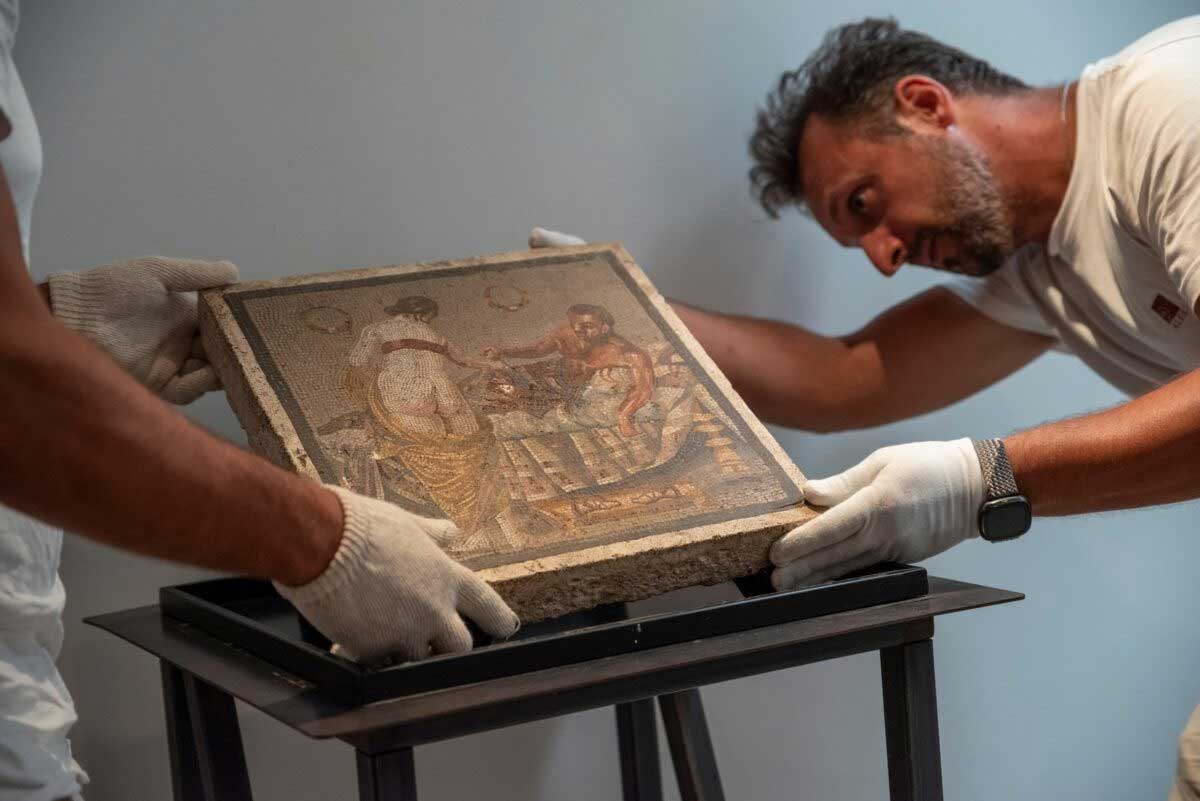
Pompeii: The mosaic portraying two lovers
Stolen by a captain of the Germany army during the Second World War and handed over in July 2025 to the Archaeological Park of Pompeii.
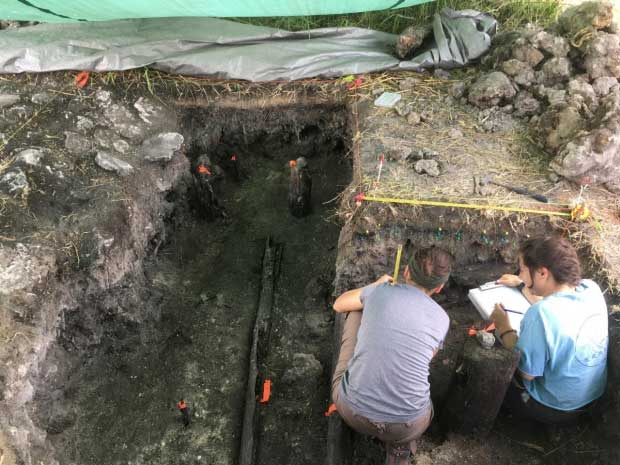
Maya’s Adaptation to Changing Climate
Rare architecture and artifacts date to the Postclassic period when Maya urban centers were undergoing societal and environmental challenges.
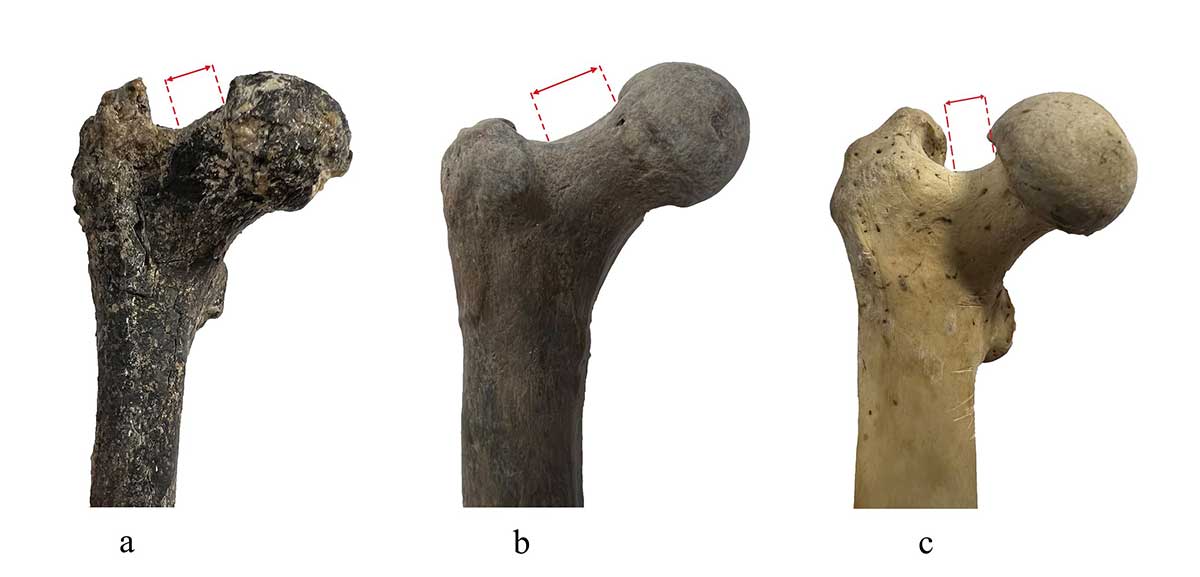
Did the first human ancestor originate in the Balkans?
An international team of researchers has discovered a 7.2 million-year-old Graecopithecus femur in Bulgaria.
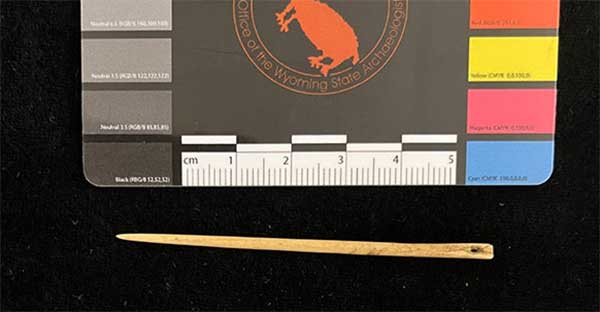
Ancient needles and awls served many purposes
A study led by McKenna Litynski confirms that ancient needles and awls enabled humans to survive in cold climates.
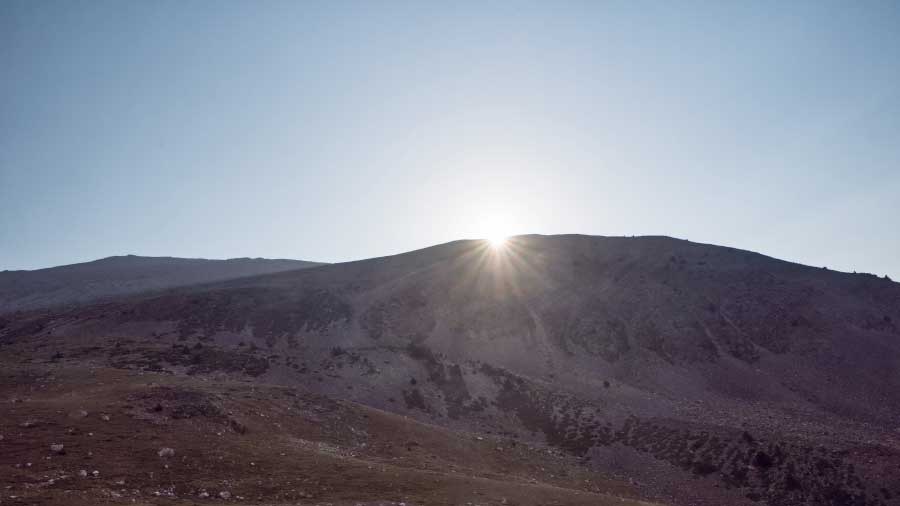
Roman-era gold mines in the Eastern Pyrenees
A study has succeeded in demonstrating the existence of Roman-era alluvial gold mines in the Eastern Pyrenees.
Black Death ‘rewilding’ did not boost biodiversity
The devastation caused by the Black Death in medieval Europe may not have delivered the environmental benefits.